







The Complete Guide to Commercial Trailer Rentals: Types, Specs and Safe Hauling
- Concrete Cost Estimator
- Concrete Continuous Footing
- Landscape Bidding and Estimating
- Construction Cost Estimating
- Concrete and steel cost estimation
- Construction Cost Estimate Breakdown
- Construction Estimating Worksheet
- Home Construction Cost Estimate
- Estimate Pricing Sheet
- Sheet for General Contractor
- Construction Cost Estimate
- Labor Materials Cost Estimator
- Masonry Estimating Sheet
- Sheet for Building Contractor
- Construction Schedule Bar chart
- General Cost Estimator Sheet
- General Construction Estimate
- Building and Road Estimating Sheet
- Detailed expense estimates
- Door and Window Takeoff Sheet
- General Construction Cost Estimating Sheet

Key Takeaways
- Choose the right trailer for your equipment and load size.
- Gooseneck trailers offer better stability for heavy hauling.
- Tilt trailers make loading and unloading easier.
- Equipment trailers are built for heavy construction machinery.
- Enclosed trailers protect tools and equipment from theft and weather.
- Proper weight distribution helps prevent trailer sway.
- Always follow trailer weight limits and DOT safety requirements.
- Trailer rentals reduce ownership, maintenance, and storage costs.
Introduction
For making a commercial construction job finished, clearing the ground, or moving big machinery without having issues, good transport planning is very necessary. Even if you are owning the best earthmovers and compact track loaders, they give no help if you cannot transport them safely from one workspace to another.
When you are hiring a specialized firm like Sniper Rentals, your workers get fast access to big hauling trailers. This lets your business increase its capacity for transport without spending too much cash on costly trailers that lose value as time goes.
Choosing the proper trailer prevents delays in shipping, protects your expensive machinery from getting wear and tear during transit, and keeps your drivers legal with Department of Transportation (DOT) safety rules. In this guide, it will explain the main trailer types, their functions, and the most crucial safety rules for towing.
Heavy Hauling Layout: Selecting the Proper Trailer Type
Different kinds of machinery and weight capacities need specific designs of trailers so the weight sits correctly and stays safe through the whole journey.
Gooseneck and Tilt Trailers
These are constructed especially for heavy industrial machinery. They provide a high stability and make the loading process much more simple.
Also Read : Top 10 Mistakes to Avoid in Commercial Construction Projects
- Tilt Trailers: Models like the Midsota TB832214K utilize a system of hydraulics or natural gravity for tilting the entire trailer bed. Because separate loading ramps are not needed, the tilt bed forms a smooth, straight incline. This is excellent for driving low-clearance machinery, skid steers, and mini excavators onto the deck with safety.
- Gooseneck Trailers: These trailers feature a tall hitch neck that hooks directly inside the truck bed, right above the rear axle of a heavy-duty pickup truck, instead of on the rear bumper. This design gives the truck great stability, stops dangerous trailer swaying, and permits you to transport much heavier loads across long distances.
Utility, Flatbed, and Equipment Trailers
These are the daily tools for managing a job site. Open flatbeds allow you to do loading and unloading of items easily from any side.
- Equipment Trailers: These come equipped with reinforced frames of steel, strong axles, and heavy fold-down or pull-out ramps. They are built specifically for handling the heavy, concentrated weight that compact track loaders or large rollers have.
- Utility Trailers: These work well for transporting smaller attachments like trenchers, buckets, and augers. You can also utilize them for lumber, drainage pipes, and lighter tools that must go from the storage yard over to the workspace.
Enclosed Trailers
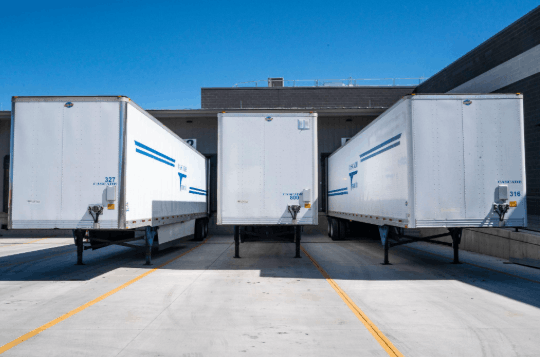
If your project requires sensitive diagnostic instruments, expensive electrical equipment, or high-end materials, leaving them on an open trailer has risks due to poor weather and thieves. Enclosed trailers offer a completely dry box you can lock. This keeps your tools safe on unmonitored job sites during night hours.
Technical Towing Safety and Compliance Rules
Operating a commercial truck and trailer requires you to follow weight limits strictly and inspect all components before driving out on the highway.
- Verify the Weight Figures: Never do guessing on the weight of your cargo. Drivers must verify the truck’s Gross Vehicle Weight Rating (GVWR) and the trailer’s maximum weight capacity. If you load too much beyond these ratings, your brakes will perform poorly and you can do damage to the vehicle frame.
- Position the Weight Correctly: To prevent the trailer from swaying dangerously when going at high speeds, position roughly 60% of the cargo weight in the front half of the trailer, closer to the truck hitch. Secure all machinery tightly using heavy transport chains and ratcheting binders attached directly to the steel D-rings.
- Pre-Trip Mechanical Inspection: Before leaving the yard, do a complete walk-around of the equipment. Test the electric breakaway safety system, cross the safety chains under the hitch tongue properly, adjust the trailer brake controller to match the heavy load, and verify that tire pressures are correct for a full payload.
Improving Your Fleet Transport Logistics
Renting your transport trailers allows you to avoid extra overhead costs like storage space, regular brake maintenance, and tire replacements that come when you purchase equipment. For checking specific weight capacities, dimensions, and what trailers are available for your upcoming project, look at the full inventory directly. Matching your machinery rentals with the correct transport trailers guarantees your team arrives ready for working from the very first day.
Also Read : Concrete Stairs Detail
FAQs
1. What type of trailer is best for transporting heavy construction equipment?
Gooseneck and equipment trailers are best for transporting heavy construction equipment. Gooseneck trailers provide better stability and higher weight capacity, while equipment trailers are built with reinforced frames and loading ramps for heavy machinery.
2. What is the advantage of using a tilt trailer?
A tilt trailer makes loading and unloading equipment easier. The trailer bed tilts to create a smooth incline, eliminating the need for separate ramps. This helps load skid steers, mini excavators, and other low-clearance equipment safely.
3. How do you prevent trailer sway while towing?
Proper weight distribution helps prevent trailer sway. Place about 60% of the cargo weight toward the front half of the trailer near the hitch. Secure all equipment firmly using approved chains, binders, and anchor points.
4. Why should businesses rent commercial trailers instead of buying them?
Renting commercial trailers reduces ownership costs and increases flexibility. Businesses can access the right trailer for each project without paying for storage, maintenance, repairs, or depreciation associated with trailer ownership.
What safety checks should be completed before towing a trailer?
A pre-trip inspection should be completed before towing a trailer. Check tire pressure, safety chains, trailer brakes, hitch connections, lights, and the breakaway system. Confirm that the load is properly secured and within weight limits.
About the Author
Rajib Dey is a professional Content Writer with a passion for creating engaging, informative, and search-friendly content. He specializes in transforming complex topics into clear, reader-focused narratives that drive engagement and deliver value. With expertise in content strategy, SEO writing, and digital storytelling, Rajib develops high-quality articles, blogs, website copy, and thought leadership content across diverse industries. His commitment to research, accuracy, and audience-centric writing helps brands strengthen their online presence and connect meaningfully with their target audiences. Follow him on Linkedin.
- Application of concrete calculator
- Roofing Calculator can streamline the roof estimating process
- House construction cost calculator
- Engineering column design excel spreadsheet
- Material Estimating Sheet with Excel
- Materials List and Cost Estimate Worksheet
- Concrete Slab Estimating Calculator Sheet
- Common types of foundations for buildings
- Online calculation of construction materials
- Estimating with Excel for the Small Contractor
- Concrete Beam Design Spreadsheet
- Virtual Construction Management app for construction
- Autodesk’s Project Skyscraper
- Reed Construction’s Reed Insight
- Manage your construction project documentation
- Costimator, the popular cost estimating software
- On Center Software for construction professionals
- Free Construction Estimating Software
- Plumbing Calc Pro
- Cost Estimate Worksheet
- HVAC Piping Quantity Takeoff Worksheet
- Construction Estimating Software Sheet
- Estimate Cost Templates
- Construction Punch List
- Construction cost estimating template consisting estimating basic
- Gantt Chart Template for Excel
- Download Civil Engineering Spreadsheets with Verification
- The Building Advisor Estimating and Budgeting Worksheet
- Spreadsheet for design of concrete bridge
- Construction Estimating Software Free
